St. Louis: Arch Gladness for travelers

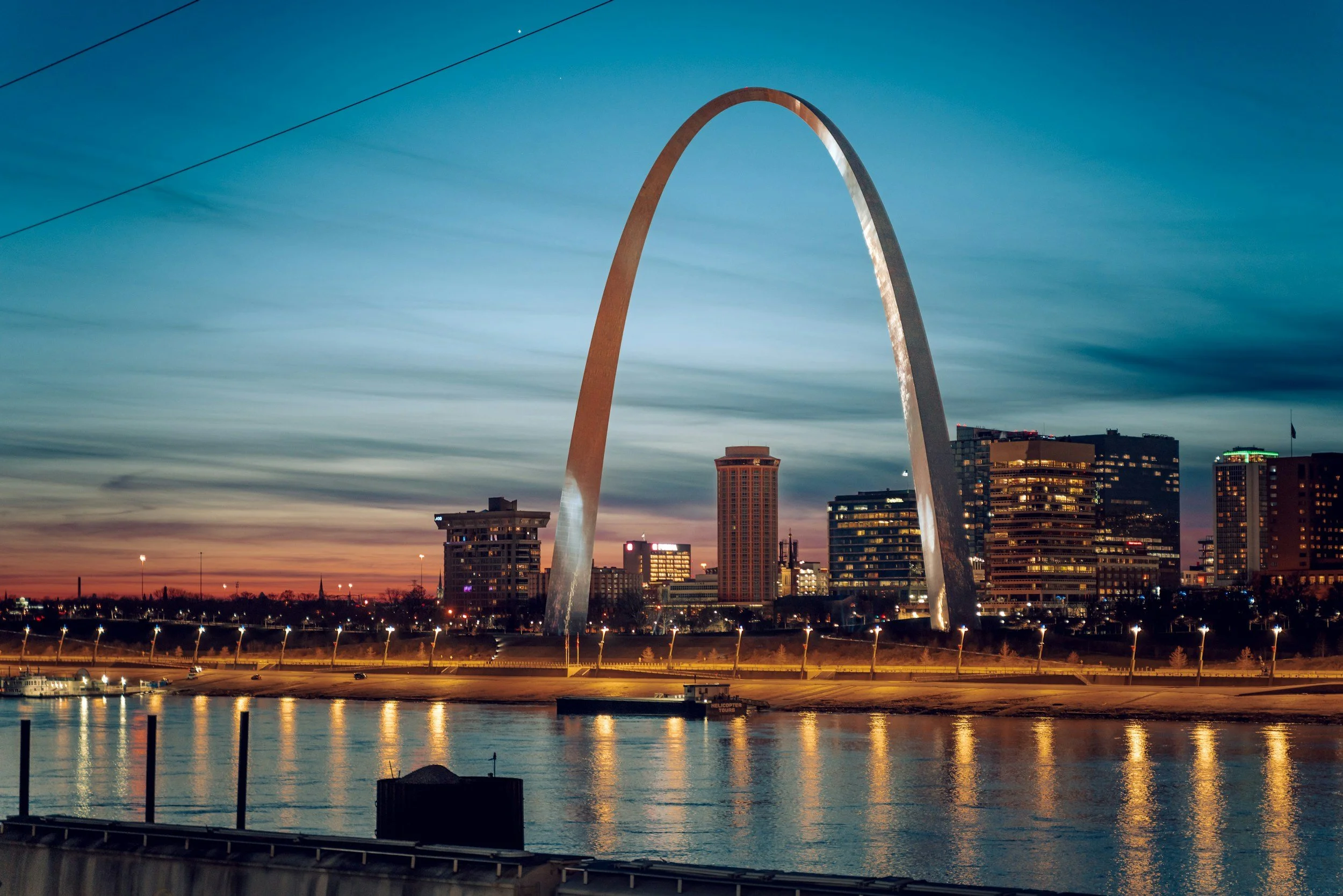
With the PGA Champions Tour making its stop this week in Missouri at the Bass Pro Shops Legends of Golf at Big Cedar Lodge, it’s timely to talk about another “Show Me” state destination—St. Louis. Once the fourth largest city in the U.S., it must be one of the most unheralded places to visit in the Midwest. For most people, St. Louis is synonymous with the monumental Gateway Arch, sitting majestically aside the Mississippi River. For others it’s the Anheuser-Busch brewery or the St. Louis Cardinals baseball team. Regardless of one’s orientation, St. Louis is jammed-packed with things to do and see. Just scratching the surface, here’s how we spent a delightful 48 hours and vowed a return trip soon.

Bus Tour: It may be an old fogey thing to do but it’s hard to beat a narrated bus tour. We selected St. Louis Fun Tour and it was perfect. Starting at 10 am downtown, the driver did an excellent and light-hearted job of providing a 75-minute overview of the city’s major attractions and historic reference points. With the constant ding of a bell, he cited the many free admissions common to the area. In fact, he claimed St Louis is second to only the nation’s capital for free museums and the like.

Missouri History Museum: Based on the bus driver’s urging, we visited this fine museum located inside Forest Park, the site of the 1904 World’s Fair. One of the best exhibits is its permanent display on the World’s Fair itself, chock full of historical documents, photos, memorabilia, all thrusting one back in time when the Fair attracted over 20 million visitors! One factoid: Grand Rapids-based Bissell Carpet Co. won a grand prize for designing the most unique exhibit in the Palace of Manufacturers. Incidentally, the 1904 Olympics was also held in St. Louis where golf was included as an individual sport. Talk about a busy town!

St. Louis Art Museum: The main building is the only surviving permanent building constructed for the World’s Fair so that’s reason alone to visit. There’s also a new East Building and combined with the Museum offers a comprehensive and impressive selection of galleries with an outstanding collection of American art.

St. Louis Zoo: Although time prevented us from visiting, the Zoo inside Forest Park remains a popular destination. It’s annually ranked as one of the top zoos in the U.S. with over 24,000 animals.

Cathedral Basilica of St. Louis: One doesn’t have to be Catholic or even religious to marvel at this magnificent edifice, built in 1914. It boasts the largest collection of mosaics under one roof in the world. Tours are available during the week by reservation only and on Sunday without reservation at approximately 1 pm.

Cardinals Nation in Ballpark Village: Just north of Busch Stadium is Ballpark Village, a sports and entertainment complex devoted to the Cardinals and baseball. If you love baseball or huge sports bars, it’s a must stop. When we visited the Cardinals were playing a spring game and it was being shown on a gigantic HD screen. There’s also the Cardinals Hall of Fame and Museum which bucks (not Jack and Joe) the local trend and charges for admission.

Three Sixty: Located atop the Hilton St. Louis, this snazzy bar and bistro offers majestic and outdoor views of St. Louis, including Busch Stadium, Gateway Arch, the Mississippi and surrounding areas. It’s a great place for a drink and a light meal.

Central West End: We were so pleased our hotel was situated here, so close to Forest Park. This is a vibrant and hip neighborhood filled with cool restaurants, pubs, shops and galleries. Particularly fascinating were the streets, many with gated entrances, with magnificent private homes built during the early 1900s. In particular, check out the homes on Hortense Place, between Euclid Ave and Kingshighway. This is also the neighborhood where playwright Tennessee Williams wrote The Glass Menagerie.

Chase Plaza Hotel: Indicative of its Historic Hotels of America designation, the Chase Plaza is an opulent step back in time, offering first-class accommodations and an array of fine dining options. The complex itself, located in the the heart of the Central West End area, consists of two buildings, the Chase Hotel built in 1922 and the Art Deco-styled Park Plaza tower built in 1929 and today housing condominiums. It’s been a AAA Four-Diamond winning hotel for the past dozen years and features 338 luxury rooms. In addition to a Salon & Spa and Wellness Center, there’s also a five-screen theater.

Golf: Inside Forest Park, there are three par-35 courses at the Norman K. Probstein GC—the Hawthorne, Dogwood and Redbud. The original Forest Park GC was built in 1913 but this new rendition is the handsome handiwork of Stan Gentry in 2004 then under Hale Irwin Signature Design. With zoysia fairways, the layouts are sporting and challenging depending upon the tee selection. Best played on less busy weekdays.

The only downside to our recent visit to St. Louis was the fact that the museum and tram ride to the top of Gateway Arch were still closed due to major renovations. Our bus guide said the renovations, totaling over $300 million, are the most expensive in the history of the National Park Service. The nation’s tallest monument, it was designed by Bloomfield Hills (Mich.) native Eero Saarinen.

With the renovations set to be completed this Spring, it’s as good as excuse for a return a visit to St. Louis.

For more information about planning a visit to St. Louis, check out explorestlouis.com

Washington DC: Always a Capital Idea

So here was my basic game plan for visiting Washington D.C. last fall: take in a few carefully selected attractions and museums—new and old—while also getting some business done at a centrally located hotel in the heart of the always inspiring nation’s capital. What’s true about real estate is also true for selecting a hotel in D.C.: it’s all about location, location and location. Well almost, because comfort, service and price are darn important, too. That’s why I selected the Crowne Plaza The Hamilton hotel. It’s ideally located off K Street and only a short walk to the Convention Center, the White House, the Verizon Center and, most importantly, a nearby Metro subway station. It neatly summed up what I was looking for in accommodations. Before talking about the hotel itself which was expertly renovated in 2012, let me digress about a few diversions during my stay.

Theodore Roosevelt Island—Part of the National Park Service, this tiny island in the middle of the Potomac River serves as lasting and fitting tribute to our 26th President, known for his active love of the outdoors. Due to it being off the beaten path—thankfully— the island and its memorial are not a frequent stopping point for tour busses. In fact, only 160,000 people visit the island per year and most of them are area residents who enjoy it as a hiking, dog walking and family excursion spot. No cars or bikes are permitted on the island which is accessed by a pedestrian bridge from the Virginia side of George Washington Memorial Parkway. There are a variety of trails on the island but the big surprise is the memorial plaza and majestic 17’ foot statue of Roosevelt in the island’s center. There are also decorative fountains and moats and four monoliths carved with some of TR’s most famous quotations. In all, it’s a splendid living memorial to the memory and legacy of a truly great President, noted outdoorsman and conservationist.

The National Air and Space Museum—Located off the National Mall, the Air and Space Museum is one of the most popular and busiest museums in D.C. No matter how many times you’ve been there it’s always worth it to pay a visit. The must-see iconic displays of the Wright brothers’ Flyer, the Spirit of St. Louis, and the Apollo 11 Command Module Columbia, and countless other planes and rockets still continue to inspire and inform. However, my primary reason to visit the Museum was for a particular IMAX show, D-Day 3D: Normandy 1944. In October, my wife and I visited Normandy, the WW II landing beaches and the heart-rending American military cemetery. Being there whetted our interest to learn even more about history’s biggest military operation. Narrated by Tom Brokaw and with exceptional production values, this IMAX film should be required viewing for history buffs of all ages. It particularly shines as a modern teaching tool, thoroughly explaining D-Day by the use of various cinematographic techniques—including animation, CGI, newsreels, and live-action images.

Spy Museum—Unlike of the Smithsonian and Federal museums, this privately run and managed museum charges an admission fee. It’s not inexpensive but it packs plenty of whiz bang for the buck. Thoughtfully conceived and laid out, although somewhat cramped for space especially on busy weekends, it provides an exhaustive and detailed history of espionage through history. Although James Bond aficionados might favor the Museum’s hip 50th anniversary of the 007 film franchise, I was drawn to a different exhibit with a current marquee tie-in. One of the “spylights” of the Museum is an actual German Enigma machine, made and used during WW II, that produced a cypher thought to be unbreakable by the Allies. This is the machine that’s the focal point of the new movie, The Imitation Game. Another highlight of the visit, was the Eight Annual Parade of the Trabants, the outdoor exhibit of vintage and small East German cars popular during the Cold War and used sometimes to smuggle freedom-seekers to West Berlin. Topped off by a festive German band, this rally of nostalgic and odd-duck cars was enlightening and entertaining.

Smithsonian National Zoo—It’s been over 20 years since I last visited the National Zoo, one of the nation’s best. Must-see exhibits include the Giant Pandas, the Elephant Trail, Great Ape House, Great Cats and as many others as time allows. Most of the exhibits are in state-of-art habitats with ample and native-type environments conducive to wild animals in captivity. Along with being well-organized and well-maintained, the Zoo is quite hilly so wear comfortable shoes. And if you’re with children or grandchildren, don’t miss a ride on the solar-powered Speedwell Conservation Carousel that celebrates 58 species found at the Zoo.

One of the best parts about an active day of sightseeing is returning afterwards to a well-managed and comfortable hotel in an accessible location. That’s the Crowne Plaza Hamilton

Room—Well-appointed and decorated, the room featured comfy beds with top-of-the-line pillow top mattresses. The workstation with reliable Wi-Fi access was terrific for tackling my business agenda items while the 37-inch flat screen HD TV was perfect for watching tackling on the gridiron. Other nice amenities were the coffee maker, the heavy window blinds, and the mini-refrigerator. I particularly liked the nifty individual reading lights for each of the double beds’ headboards. Improvements could be made by making the door more soundproof from hallway noise but it was a minor issue. Overall it was a quiet and trouble-free experience.

Dining—Besides partaking of the Starbucks located off of the hotel lobby (spacious and welcoming), my dining experience was confined to morning breakfast at the hotel’s well-regarded 14K Restaurant. With a view of Franklin Park, the 14K provided a delicious and ample buffet to start a busy day. And the service was attentive and friendly. After just one visit, the staff remembered the type of coffee and juice I preferred.

Service—The hotel staff was diligent and guest-oriented. The best example occurred when I left a camera in my car. The hotel has valet parking only so when I was ready to head out for the day, the car wasn’t nearby for me to simply go fetch the camera. However, a parking staff member immediately went to the car, located the camera in the glove compartment and brought it to me at the reception desk. And he did it gladly.

The Crowne Plaza The Hamilton was an ideal choice as a centrally located hotel adept at serving both business and leisure travelers. Despite its boutique-style and feel, the hotel and its 318 rooms are also popular for meetings and conferences. In fact, the laudable Shared Hope non-profit organization, that combats juvenile trafficking, was having its conference at The Hamilton during my visit. It was the second consecutive year it held its meetings at the hotel.

No surprise here that meeting organizers happily returned to The Hamilton. I plan to do the same.

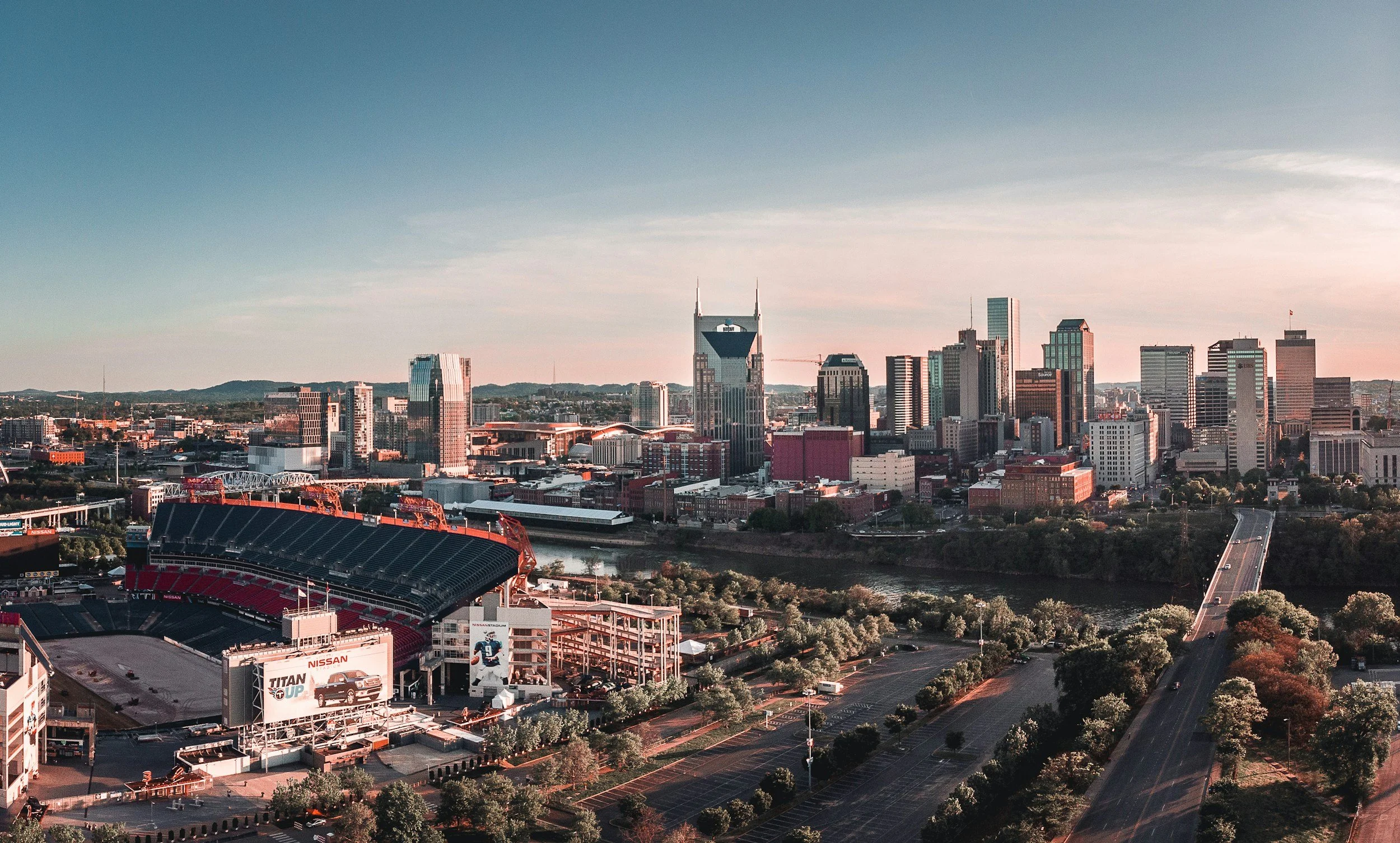
Travel: Nashville, Tennessee

“It’s a coin toss.”

That’s how a veteran Nashville, Tennessee, cabbie answered my question about whether spring or fall would be a better time for a golfer to visit his fair (fare?) city. “Either season would be a great time to enjoy the outdoors and sights of the area,” he said. “There’s so much to do.”

After visiting Nashville earlier this year, I couldn’t agree more. (Cabbies trump TripAdvisor in my opinion.) In fact, I’m still kicking myself for neglecting the Music City, by-passing it so many times on my way to Georgia and Florida. Gee whiz, even a hot new television series—Nashville, seen on Sunday nights—beat me there.

I’ll get to the golf in a minute but let me share a few highlights of my stay which included a few traditional stops as well as a some new ones.

Vanderbilt University—This renowned institution is located less than two miles from the downtown business district and is definitely worth a tour. The 330-acre main campus is full of bustling charm and beauty and its Peabody section has been a registered National Historic Landmark since 1966. After buying a Vandy golf tee-shirt at the bookstore, I even caught parts of varsity baseball and lacrosse games.

Antique Archaeology—Again, only minutes from downtown, this is one of only two shops in the U.S. owned by Mike Wolfe of the popular American Pickers series on the History Channel. My spouse is a big fan of Pickers and Wolfe, once aptly described by the New York Times as the “Jack Kerouac of junk.” Well, one person’s junk is another’s must-have collectible. Located in an early 1900s auto factory, the store boasts antiques, folk art and branded merchandise and—being Nashville—live music.

Cheekwood—Farther afield and west of the city is this wonderful botanical garden, sculpture trail, art museum and the Cheekwood Mansion itself, the former estate of Leslie Cheek. Cheek was an early and savvy investor in Maxwell House coffee and later IBM. His immense fortune accounts for this magnificent 100-acre estate centered by a huge Georgian-style mansion surrounded by gardens. Incidentally, en route to Cheekwood, there’s the added bonus of passing through the famed Belle Meade neighborhood, one of the most stately and prestigious residential areas in the region, which includes the private Belle Meade Country Club, an admired 1921 Donald Ross design. Twenty-five years ago, noted golf architect and writer Tom Doak described the club as “one of the premier social clubs of my experience, with ballrooms and formal dining rooms to beat the band.”

Parthenon—This astounding full-scale replica of the Parthenon in Greece is how Nashville earned its moniker, “Athens of the South.” Built in 1897 for the Tennessee Centennial and Expo, the Parthenon is now part of Centennial Park within the city and is home to Athena, the tallest indoor structure in the Western world. Okay, it’s no Michelangelo’s David in Florence, but it’s an amazing work with a compelling local history.

Station Inn—This iconic bluegrass music venue was the highlight of the weekend. The humble nondescript locale (aka, a dive) serves simple food, snacks, and adult beverages while delivering a rollicking good time by a rotating roster of guest musicians. For my visit, high octane live music and entertainment were provided by Shawn Camp and band; his “Too Drunk to Karaoke” is a classic. Tip: get there early because there’s no reserved seating.

Broadway—In spite of its tourist trap-like demeanor, this busy section of honky-tonk saloons and free live music must be experienced and checked off the list. Along the way, stop in at the Hatch Show Print, one of the nation’s oldest letterpress poster shops. Since 1879, it has created posters and art for countless stars, concerts and sporting events. You’ll be hard-pressed not to buy another tee-shirt.

Other considerations—Tried and true attractions include the Ryman Auditorium (Nashville’s Carnegie Hall but sadly dark on our weekend), Grand Ole Opry, The Hermitage (Home of President Andrew Jackson), Music City Trolley Hop, Country Music Hall of Fame, and scores of others.

Hotel Indigo—As faithful readers may recall, I favor this smaller, boutique-style hotel brand and I’ve yet to be disappointed for ambience, amenities and service. Located in the heart of downtown in a former bank building, Hotel Indigo Nashville just completed a major and most impressive renovation. So how good is the renovation? Well, so good that the aforementioned Nashville television program shot some recent scenes there. Talk about a set design affirmation!

The spacious lobby and bar has a nifty printer theme and decor in keeping with the city’s early roots in the printing and publishing industry that spawned a host of live music saloons and restaurants in the famed Printers Alley, only a short stroll away. An added bonus of the hotel’s bar and lounge area is the delightful live music offerings, available every night but Sunday. On one lucky evening, it was “songwriter’s night” where local musicians performed original works. Terrific stuff—with or without a worthy brew.

With a wonderful view of the cityscape, our compact but well-appointed room was newly redecorated with elegant panache featuring a large comfy bed, deluxe bedding, 32-inch HD TV, work desk and free Wi-Fi access. The bathroom seemed like a mini-spa with its marble counters, terrazzo floors and spacious shower. Most importantly, the service component surrounding our stay was excellent due to the attentive staff. In particular, the valet staff members who helped with our car and luggage were standouts. And kudos to affable Mike in the lounge who served me coffee and breakfast one morning along with a wealth of helpful tips and suggestions. And unlike the stars of Nashville, he wasn’t just acting the part. Mike really enjoyed his role in imparting genuine service and attention.

* * *

Golf Courses—Yes, the Nashville area has a strong and talented line-up. For starters, I’d recommend Harpeth Hills, a “people’s choice” municipal course selection set in the rolling hills of Percy Warner Park. Par-72, it offers five sets of tees ranging from 4904 yards to 6999 yards. Indicative of its mettle, it has hosted a USGA qualifier.

For aspiring beginners and juniors—and the next Brandt Snedeker (a proud Nashville resident)—Percy Warner GC (west Nashville) and Shelby Links (east) are highly recommended. Both were recently rated as two of the top five courses for junior and beginning golfers by Nashville’s The City Paper. The oldest (1924) muni in the city, Shelby Links is where Snedeker honed his game as a junior.

Topping that list, however, is Golf House Tennessee’s superb par-3 course in nearby Franklin. Designed by Bob Cupp and opened in 1995, the Little Course at Conner Lane is a gem and a great place for kids, parents and grandparents to play the game. It’s also an affiliate location for Nashville’s First Tee Program at Vinny Links, another highly regarded par-3 course ideally suited to help grow the game.

In the big game hunters category, choices include the Hermitage GC, ten miles from the city, sporting two 4-star courses, General’s Retreat and President’s Reserve (tougher, according to loyalists), and offering scenic holes on the river. And located near Opryland Resort, you’ll find the inviting Gaylord Springs Golf Links, an upscale layout along the banks of the Cumberland River designed by former US Open winner Larry Nelson. Like the President’s Reserve, it’s rated as one of the top five daily fee courses in the state by Golfweek.

Finally, if you know any private course members in Nashville see if you can wrangle an invitation to Richland CC, a Jack Nicklaus signature course, rated #9 in Golf Digest’s Best Courses in the State listings. Or better yet, try (mightily) to make a connection to Belle Meade, rated # 4. Alas, dropping Tom Doak’s or my name will not make a difference.

If all else fails, hail a cabbie somewhere in the leafy Belle Meade neighborhood, jump in and say, “follow that cart!”

For more information, visit: www.visitmusiccity.com

Family Matters and the Isle of Man by Terry Moore

Looking back at 2017 and considering the gift of family over this Thanksgiving week, one of my golf and travel highlights was visiting the Isle of Man. Located in the middle of the northern Irish Sea and almost equidistant between Liverpool, England and Belfast, Northern Ireland, the Isle of Man is not a usual overseas destination for American golfers. Most are content with the usual and admired offerings of Irish and Scottish links courses. Yet more adventuresome and independent travelers definitely should include a detour if not a dedicated trip to the Isle. And if they’re lucky to have family roots there, as I do, then there’s another compelling reason to pack your bags and go.

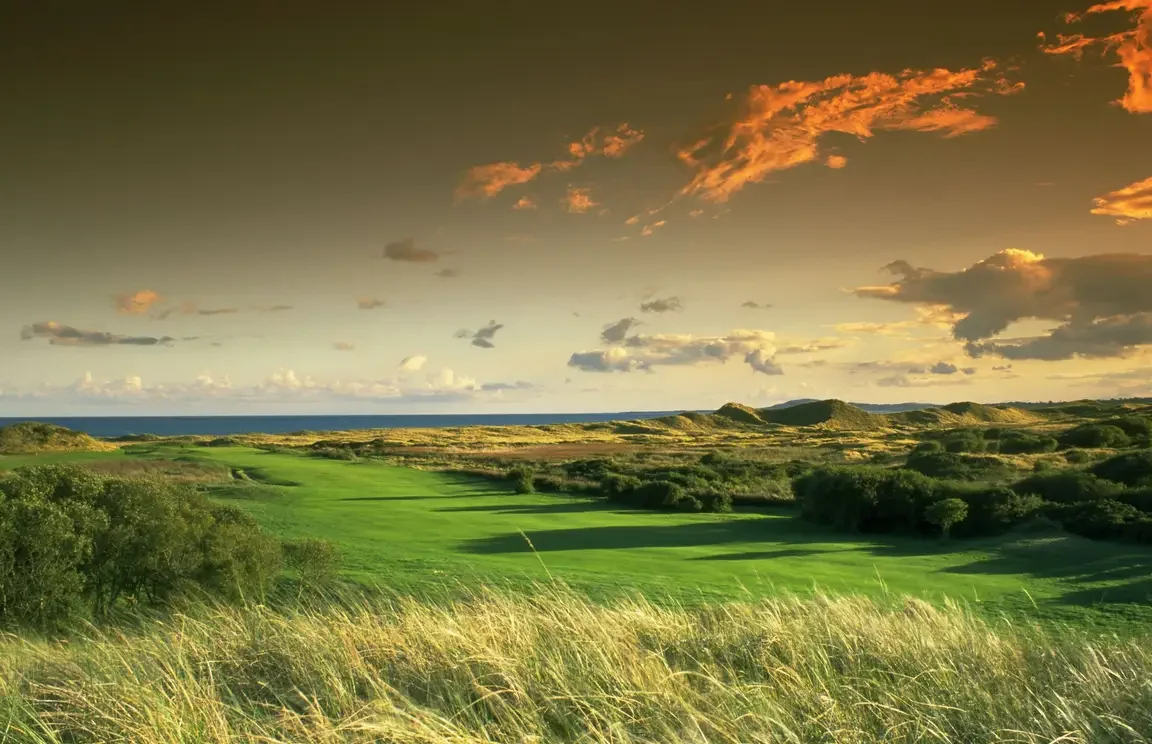
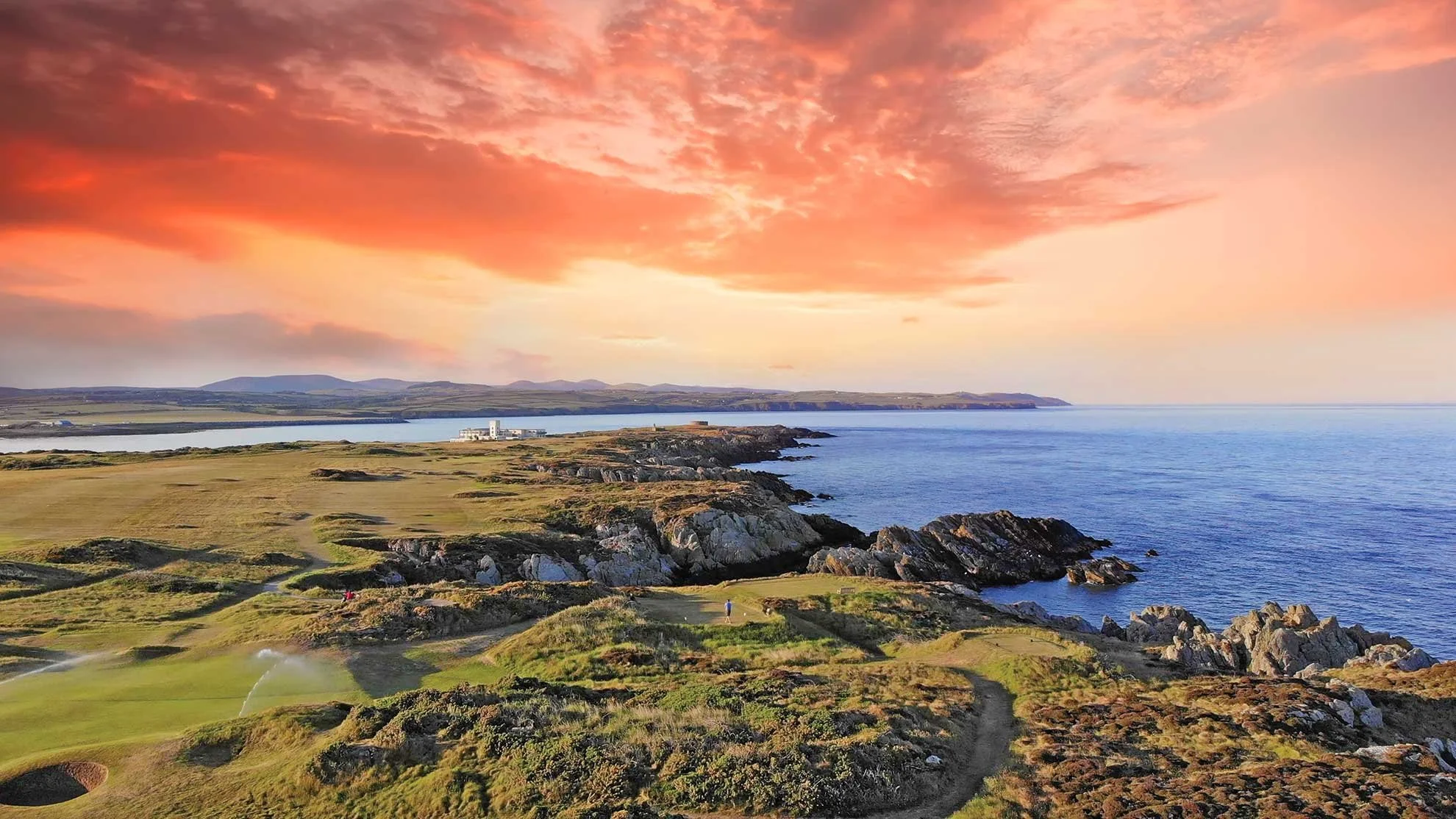
Castletown Golf Links: Located on a stunning piece of land, the Langness Peninsula, and surrounded on all three sides by the sea, Castletown boasts a most dramatic layout. In fact, few links courses can rival it, in my estimation, for its raw and natural beauty. This is largely due to how the course sits well above sea level so its vistas are not obstructed by sand dunes.

Formed in 1892, the club retained none other than Tom Morris, Sr., a.k.a. Old Tom Morris, to lay out the course on its present site in the early 1900s. At the time, “Old Tom” was the preeminent name in the game—akin to Jack Nicklaus—as both an acclaimed and beloved champion (four Open titles) and sought after designer (Royal Country Down, Lahinch, Muirfield, Dornoch, et al). He was a pioneer of the modern game, too. He standardized the length of a golf course to 18 holes (St. Andrews was once 22 holes) and introduced top-dressing and the use of push mowers in green maintenance. Oh yes, he also tutored an apprentice at Dornoch by the name of Donald Ross. In the seminal The Golf Course by Geoffrey Cornish and Ron Whitten, it states Morris “practiced the art of design in an age when it was virtually impossible to alter existing contours in laying out a course…A native of the links with an eye for every shot in golf, he developed a skill for utilizing the natural terrain and its features.”

Thanks to Morris and later to post-WW II course renovator Phillip Mackenzie Ross, who in 1972 was the first president of the British Association of Golf Course Architects, Castletown remains a treasured heirloom of links design. There’s nothing artificial or forced in its presentation and the routing flows wonderfully in and around the peninsula where seals, sharks, dolphins, and migratory birds abound.

There’s even a ‘road hole’ here, stroke index no. 1, at the 423-yard par-four fifth. From an elevated tee, the hole bends left to right and with the entrance road to the course bordering down the right side. There’s very little bail out area on the left because of dense gorse so an accurate and strong strike off the tee is a must.

The par-five seventh, called Racecourse, adds another historical footnote to the course and the peninsula. According to local records, the first ever Manx Derby over three furlongs was held on the Langness Peninsula, 150 years before the first English Derby. So one may quip while playing the 572-yard seventh, “There are simply horses for courses.”

But the last three holes at Castletown are truly remarkable. The par-three 16th is aptly named “Cliffs” as it sits high on a rocky point of the peninsula. The green is situated short of some yawning cliffs with pounding surf echoing a golfer’s heart who’s found the green with a well-struck long iron shot.

Against the prevailing wind, the par-four 17th, “Gully,” requires a brave and strong tee shot over a breathtakingly scenic and brutal ravine. The inestimable and World Golf Hall of Fame writer Henry Longhurst ranked it as one of the best holes in golf. Anywhere. Talk about an endorsement in a pre-hype age!

And then there’s the 18th, a par-four at 413 yards. With the small green nestled down and just inside the sea’s edge, it’s essentially a blind dogleg that devilishly curls around three pot bunkers. It represents a spirited end to a rousing round of golf where the wind and weather will largely dictate the outcomes scribbled on the scorecard.

A few final comments: The turf is bouncy and firm and its overall conditioning and health would please Old Tom today. The clubhouse was rebuilt a few years ago and it’s now nicely furnished and decorated and offers broad views of the course. There’s good food and drink, too. The only aspect that’s sorely lacking at Castletown is a resolution to the fate of the derelict and former hotel sitting next to the clubhouse. In early 2015, plans were announced for a new boutique hotel on the site but some residents remain pessimistic about its prospects. However, there are plenty of options for accommodations throughout the Isle.

The important thing is just to get there. On that note, one recent and happy visitor posted this priceless blurb on TripAdvisor: “I would swim to the Isle of Man to play this course again!”

Isle of Man Railways: Global train enthusiasts come to the Isle because of its outstanding collection of Victorian railways. We hopped on the enchanting Steam Railway that runs for over 15 miles from Douglas to Port Erin. Sporting a vintage locomotive and berths, it’s deemed the oldest gauge railway in continuous operation in the British Isles. It was a fun and relaxing way to view the wondrous, rolling countryside while being transported to not only Port Erin but back in time.

The Manx Museum: In Douglas, this museum delivers an incredible amount of history and insight into the Island’s rich heritage, all packed neatly inside modest quarters that once housed a hospital. With expert exhibits and illustrations, it tells the story of how the Island evolved from being the center of a Viking kingdom to a Victorian holiday destination to being known internationally for its TT motorcycle races. Of special note is the Museum’s Archives staffed with knowledgeable and helpful people willing to assist overseas travelers, like us, with family tree matters. Museum staff helped us locate on maps where my paternal ancestors worked, many as sailmakers, and lived in the Douglas area.

Old Kirk Braddan: Due to our family roots, this preserved church site was one of the high points of our visit. Dedicated to St. Brendan or Braddan, this church represents fourteen centuries of Christian worship. Stones from the first Celtic Keeli (chapel) can be traced back to 400 AD. On the grounds remains a cemetery where a number of my ancestors’ gravestones were found. In fact, my fourth-great grandfather was the Parish Clerk here for 45 years. For dedicated family historians like my spouse Deb, the day at Kirk Braddan was exhilarating.

Getting around: To save us stress, we opted not to rent a car (and drive on the left) and instead signed up for a short-term Go Card, providing unlimited travel on all scheduled bus and rail services on the island. Filling in the transportation gaps and providing top-notch and timely service was Richard Green of Greens Chauffeur Drive.

Getting there: Our Aer Lingus flight from Dublin to Douglas was less than 50 minutes and it was a snap. But other airlines operate daily flights to the Island with those from the UK taking just 30 minutes in some cases. Another popular option is by ferry whether arriving as a foot passenger or bringing a car. The oldest continually operating passenger shipping company in the world, the Steam Packet Company operates ferry services to the Isle of Man from Heysham, Liverpool, Birkenhead, Dublin, and Belfast. 

Unlike my travel compatriot praising Castletown Golf Links, I wouldn’t swim to the Isle of Man. But I now understand the motivation.

For more information about the Isle of Man visit www.isleofman.com

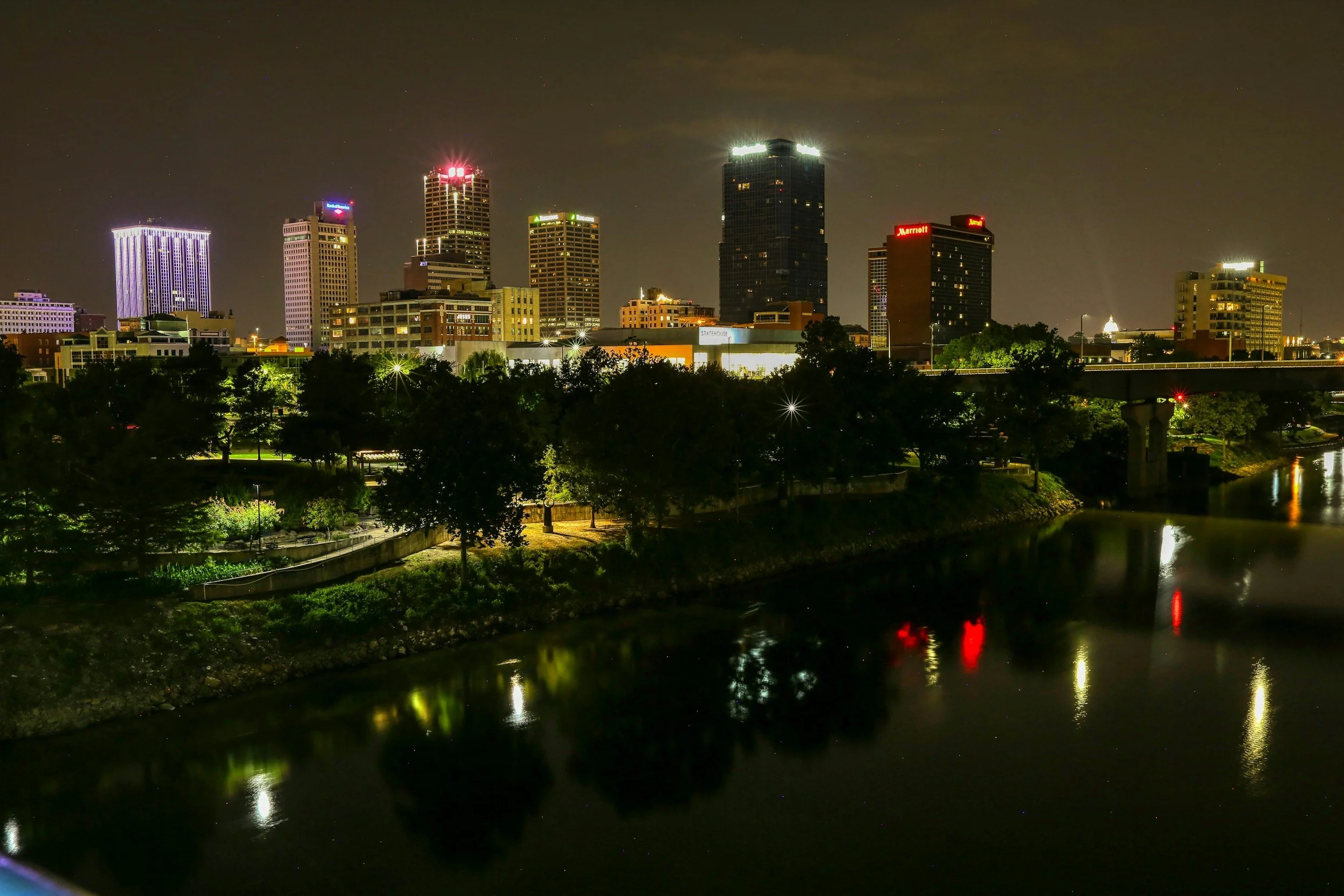
Little Rock, Arkansas: So Many Things to Do and Appreciate

It’s not often that a high school is a compelling focal point of a travel destination. But that’s the case with Little Rock Central High School located in the capital city of Arkansas. Due to the historic civil rights events of 1957, the high school is now part of the National Park Service while still educating over 2,000 students. A baby boomer and lover of American history, I was drawn to Little Rock Central High School and its pivotal place in the civil rights movement of the 1950s. In planning a trip to Little Rock, I was pleasantly surprised to learn how the National Park Service assumed responsibility for the property, making it a National Historic Site.

Built in 1927, as Little Rock Senior High School, the school was praised for its architectural assets. In fact, it was deemed “America’s Most Beautiful High School” by the American Institute of Architects. Its style is a mix of Art Deco and Collegiate Gothic and still holds a certain charm today. Costing $1.5 million ( $21 million in today’s dollar), the edifice measures two blocks long and boasts over 150,000 square feet of space. When it opened, it was the largest high school in Arkansas and one of the biggest in the country. In 1953, the school was changed to its present name in anticipation of construction of a new high school for white students, Hall High School in Pulaski Heights. At the time, black students were segregated in their own schools.

With the historic ruling of the U.S. Supreme Court in 1954 declaring “separate but equal” black-only schools unconstitutional, the civil rights movement was energized. It took three more years before nine black students registered and attempted to enroll in the previously all-white Little Rock Central H.S. Initially rebuffed by hostile local residents and the Governor of Arkansas who defended segregation, the students finally enrolled after the intervention of President Eisenhower through the use of federal troops. Little Rock held the national spotlight during this tense period.

In 1998, Congress established Little Rock Central High School National Historic Site. It’s operated in partnership with the National Park Service, Little Rock Public Schools, the City of Little Rock and others. Diagonally across from the school is the Visitor Center, opened in 2006, which includes multimedia exhibits and displays of the Little Rock Nine, desegregation, and the civil rights movement. Opposite the Visitor Center on one corner is the Mobil gas station, now faithfully restored, that served as a gathering spot for media using the public phone there in 1957 when Little Rock claimed worldwide attention. On another corner is the Central High Commemorative Garden where nine trees and benches are located, honoring the courage and perseverance of the students.

A guided tour of the high school by a Park ranger is highly recommended. Registering at least a day in advance, the tour lasts an hour and includes commentary on the 1957 crisis and a tour inside the high school. The federal government often is criticized for its use of taxpayer dollars but one would be hard-pressed to find fault with the rationale here. In the words of its enacting legislation, the site serves “to preserve, protect, and interpret for the benefit, education, and inspiration of present and future generations…its role in the integration of public schools and the development of the Civil Rights movement in the United States.”

Whether visiting Arkansas or just passing through, take time to experience Little Rock Central High School. A valuable history lesson is always in session.

Other things to do in Little Rock:

William J. Clinton Presidential Center & Park—regardless of one’s political persuasions, Presidential libraries and museums are worth a visit. The Clinton Center is no exception. Located majestically along the Arkansas River, the Library is a well-conceptualized and executed space. Inside you’ll find an orientation theatre, campaign memorabilia, a cabinet room reconstruction, a Little Rock Nine exhibit, a Life in the White House displays and memorabilia, and a full scale replica of the Oval Office.

Historic Neighborhoods—we love to explore historic residential neighborhoods and the ones in Little Rock were a delight. Whether by car or by foot, such neighborhoods reveal a fascinating glimpse into a city’s past. Maps and guides are available via the Visitor’s Center for the homes in the Governor’s Mansion District, Quapaw Quarter District and the Hillcrest District, which is located west of the city.

The ESSE Purse Museum—when’s the last time you visited a purse museum? Well, scratch that off your bucket list by stepping through the doors here. This well-organized and neatly maintained museum offers a fascinating insight into the times and culture through the lens of a woman’s handbag and the contents within. Artwork, photography, ephemera, and displays provide a narrative of women’s progression in American society and history.

River Market District—if you’re fortunate to be booked into a downtown hotel like we were (at the ideally located Homewood Suites) then one is within easy walking and strolling distance of numerous restaurants, shops and more museums like the Historic Arkansas and Old State House museums.

Pedestrian walkways and bike paths—Little Rock is blessed with a wealth of scenic walkways and bike paths, most notably the Junction Bridge Walkway, the Arkansas River Trail, the Clinton Park Bridge, and the Big Dam Bridge Pedestrian & Bike Trail. The last mentioned was voted by the American Travel Writers as one of the “top ten Bridge travel sites” in the U.S. and Canada.

Golf choices: For affordable local public golf, you can’t beat Rebsamen Golf Course, located along the Arkansas River. City-owned, the course offers good conditions and a pleasant playing experience at a great value. The other city courses are War Memorial and Hindman Park. For those with private club connections, Country Club of Little Rock, Chenel CC and Pleasant Valley CC are all located in Little Rock and are included in Golf Digest’s Ten Best Courses in Arkansas. If afforded an extended stay in Arkansas, one is advised to check out the Natural State Golf Trail Passport, which includes two free rounds of gold at some of the best public courses in the state. Visit www. arkansasgolftrail.com

For more information about visiting Little Rock and Arkansas, visit www.littlerock.com and www.arkansas.com Note: A special thanks to Katherine Stewart, Social Media Coordinator for Arkansas Dept. of Parks and Tourism, for her astute advice and insight about visiting Little Rock.

Oklahoma City Conquers All by Terry Moore

If you love watching college golf over compelling match play team format, set aside more time (or more excuses to one’s significant other) to catch the NCAA Golf Finals over the next few days. For successive weeks, the Women’s and Men’s D-I Championships are being held at Karsten Creek GC, the home of the Oklahoma State University program, in Stillwater, OK.

The men now enter the arena with the same format: four days of stroke play competition followed by two days of intense match play among the final four low teams. It’s a terrific format that invariably produces high drama and exciting play. Although no Michigan team reached the D-I finals, U. of Michigan’s Kyle Mueller made it into the 156-player field as an individual.

It’s probably wishing too much to see the top-seeded Oklahoma State Cowboys in the final match against its arch-rival, The University of Oklahoma Sooners, the defending national champions. But count yourself lucky if you’re in Stlllwater to see it. Otherwise, don’t miss it on Golf Channel. The final day is next Wednesday, May 30.

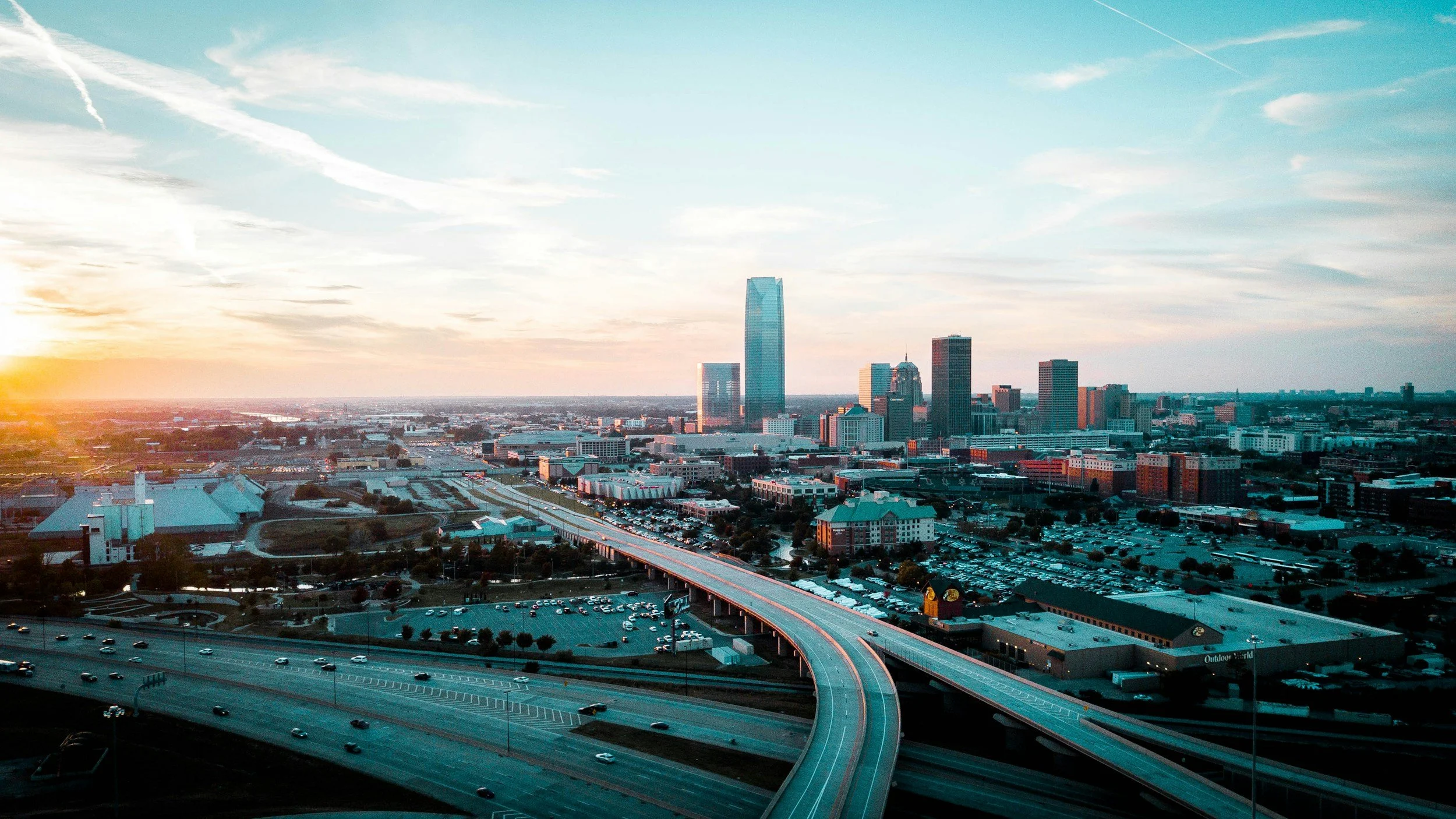
The NCAAs in Stillwater provide a timely opportunity to extol the virtues and benefits of visiting Oklahoma City—the state capital and its largest city at 1.3 million people—less than 70 miles away. After visiting OKC for the first time at the end of February, my wife and I looked at each other and I said, “Hey, did I leave my i-phone charger at the hotel?” Okay, I may have said that but I also said, “Wow, Oklahoma City is one fun, entertaining and inspiring place to visit!”

Here are the highlights of our well-spent 48 hours in OKC:

Oklahoma City Thunder—For sports entertainment, it’s hard to beat game night at the city’s NBA franchise at the fittingly named Chesapeake Energy (yes!) Arena in downtown OKC. The Thunder, which just concluded its 10th season, has helped transformed and revitalized the downtown area. But it didn’t do it alone. Oklahoma City residents voted yes to a one-cent-sales-tax initiative bringing more than $5 billion in both private and public investment to the city since 1993. This initiative is called the Metropolitan Area Projects (MAPS) and is currently on the third MAPS project. The downtown is alive and jumping with bars, restaurants, shops and other attractions in safe, walkable districts, many with distinct styles. Sometimes, major sports franchises are often over-sold and over-hyped in terms of their economic and civic impact. That’s not the case with the Thunder. Being at one of its game, and marveling at the MVP-wizardry of Russell Westbrook, is a rush as its fans are some of the loudest and most vocal in the NBA. And yes, we saw a winning game.

Oklahoma City National Memorial & Museum—An affiliate of the National Park Service and on the Register of Historic Places, this painstakingly conceived and dedicated site tells a powerful story of the events and aftermath of the horrific terrorist bombing of April 19, 1995, that claimed 168 lives. The Memorial Museum provides an insightful and emotional journey into the history of the city, the chaos and extent of the destruction, the investigation and cracking of the case (a lone police officer noticing the culprit’s vehicle without a license plate) and the tremendous community resolve for rebuilding, healing and transformation. The Outdoor Memorial is equally inspiring. One suggestion: revisit The Outdoor Memorial in the early evening to witness how the Field of Empty Chairs is illuminated. Eerie, moving, and indelible.

National Cowboy & Western Heritage Museum—This is an absolutely amazing attraction, and highly recommended even for those whose love of the American West may be confined to John Wayne. The wings and galleries are Smithsonian in scope and quality, so reserve at least several hours to fully appreciate it. The history displayed throughout and especially the classic and contemporary art collection are world-class—such as Frederic Remington and Charles M. Russell. The firearms collection is also stunning. In short, giddy-up over and visit.

Overholser Mansion—For an informative trip “back in time” to Oklahoma’s pre-statehood days, check out this carefully preserved mansion. Built in 1903 (in today’s dollars well over $1 million), the Overholser was OKC’s first mansion, the proud home of namesake Henry O. who made his fortune in real estate and the mercantile business. The two-story, brick-and-stone 20-room mansion was a sensation in its day for its architecture. Here’s how The Daily Oklahoman described it back then after an opening event: “The house is a sermon on beauty. It is uplifting and ennobling as works of art are ever.”

Oklahoma History Center—Another must stop for history buffs and the ever curious-minded. Many worthwhile exhibits are here but we were most enthralled with “We Are Who We Were: American Indians in Oklahoma.” This exhibit represents all thirty-eight federally recognized American Indian tribes currently associated with Oklahoma. Visitors may explore the historic past of Oklahoma’s native peoples, including the infamy of the Trail of Tears, and experience contemporary American Indian cultures. Here, I learned in World War I, OK’s Choctaw tribesmen and soldiers served as code talkers during the trench warfare. In another part of the Center, I noticed an exhibit titled “Sit-in Movement,” which honors an act of civil disobedience of Oklahoman Clara Luper at a segregated drug store counter on August 19, 1958, two years before the more famous sit-in at Greensboro, NC. OHC displays life and history in unflinching and interactive fashion, balancing the inspirational with the painful elements of a state’s history.

OKC Museum of Art—Another pleasant surprise. In 1968, the OK Art Center, the forerunner of this museum, purchased the 154-piece permanent collection of Washington DC’s Gallery of Modern Art. Presto! The city’s modest arts community was immediately catapulted into elite national company for its major collection of postwar art. During our visit, the exhibition titled “The New Art: A Milestone Collection Fifty Years Later” celebrated the Museum’s pivotal acquisition. In 2002, another major acquisition occurred with the purchase of a Dale Chihuly exhibition of glass and drawings, including a 55-foot piece that graces the museum’s entrance. Today, the OKCMOA maintains one of the largest collections of Chihuly glass in the world.

Downtown and surrounds—It’s booming with attractions, hip districts, projects and people-magnet venues such as the 15,000-seat Chickasaw Bricktown Ballpark, the home of the OKC Dodgers, LA’s Triple A affiliate; the Bricktown Canal (with a nod to San Antonio’s famed canal) that extends into the entertainment district; the nearby Oklahoma River’s emergence as a whitewater rafting mecca, attracting adventuresome kayakers (Olympians train here!) from across the USA; and major facelifts and renovations to the area’s Convention Center and Civic Center Music Hall.

On our last evening in this bustling yet congenial city, we walked at sunset from our hotel to the nearby Centennial Land Rush Monument, a massive installation of the world’s largest bronze sculptures by artist Paul Moore (darn, no relation) depicting the historic events of April 22, 1889, when 50,000 homesteaders gathered at the water’s edge of the unassigned lands. Located at the south end of Bricktown Canal, the monument features 45 awe-inspiring figures suspended in time as they race to claim new homesteads. Don’t miss it.

Only the NBA-like shot clock of time prevented us from seeing more of OKC’s myriad sights and attractions. Two days were woefully not enough time to capture all what makes this area such a vibrant and eclectic place to live, work and play. Surely, there are problems, civic shortcomings and the usual headaches here common to any large urban community. But in light of where the community stood after that fateful April day in 1995, one leaves here thinking anew about the state’s motto—"Labor Omnia Vincit”—Latin for "Work Conquers All".

Finally, if asked when we might return to Oklahoma City, there’s a quick and fitting response from this happy cowboy and cowgirl.

Sooner rather than later.

Where to Play: Thinking of the NCAAs, if you wish to divide your state college loyalties, visit Karsten Creek GC in Stillwater on the campus of OK State U. and the Jimmie Austin GC in Norman at the U. of Oklahoma. From OKC, Jimmie Austin is the closer of the two and less pricey than the upscale Karsten Creek. Both are deservedly top-ranked courses befitting the calibre of their golf programs. Closer to OKC— more modest in both price and presentation— are such daily fee courses as Earlywine Park, Lincoln Park (West), and Trosper Park. If you have private club connections, find a way to play Twin Hills G & CC in OKC, a Perry Maxwell-designed gem that’s hosted several major championships in its heyday such as the PGA, Western Amateur, USGA Junior and the old Oklahoma City Open once won by Arnold Palmer.

Where to Stay: For convenience, amenities and a cool ambience, the all-new AC Hotel, a Marriott property, in the Bricktown area is a winner. It reminded us of a boutique European hotel for its minimalist, chic design and its across-the-pond inspired breakfast. But unlike those Euro versions, the AC has more spacious guest rooms. The hotel was the first built in OKC to use more affordable modular construction—a technique where a project is constructed in sections off-site and assembled together on-site. But you wouldn’t notice it unless, like us, you were told. Besides the alert and attentive service, we relished the AC Lounge where we enjoyed happy hour looking out from tall street level windows to the neighborhood. Other room delights: the deluxe bedding, oversized spa-like showers, desk area, enhanced media and the overall sound-proofing of the room and corridors. Quiet and peaceful when it’s needed for weary and happy OKC visitors. Visit https://www.marriott.com/hotels/travel/okcac-ac-hotel-oklahoma-city-bricktown/

For more details about the aforementioned OKC sites and attractions, just google any of the sites listed. And visit www.visitokc.com for comprehensive travel info.

Visiting Richmond, VA—a rockin' city by Terry Moore

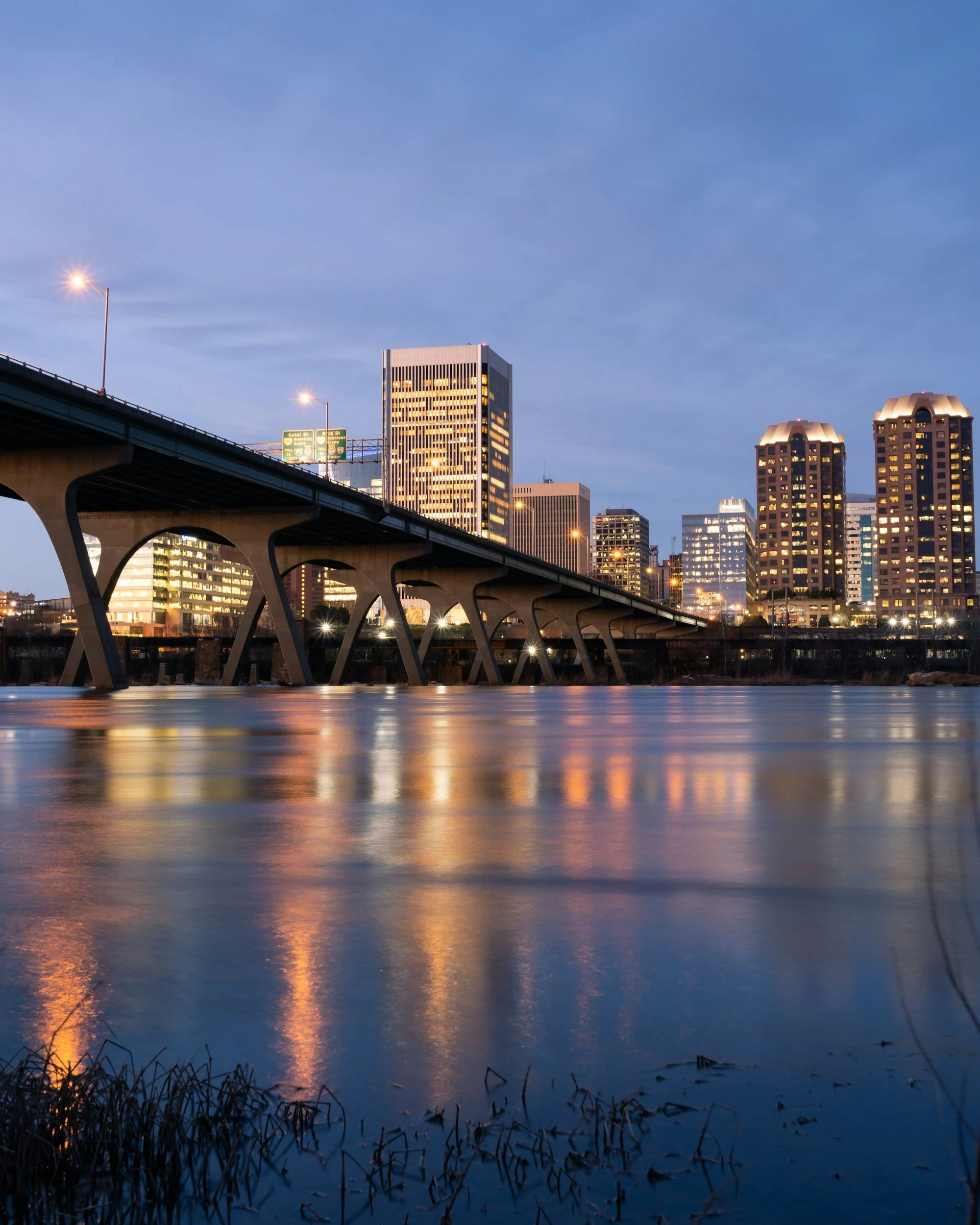
After spending a much too short visit there last spring, I can vouch that Richmond, Virginia rocks as well as enlightens.

Here’s my take on why Richmond is worthy of a longer visit than mine<

Golf history: Since 1924, Richmond has hosted important tournaments with such notable winners as Ben Hogan, Sam Snead, Harvie Ward, Chi Chi Rodriquez and Arnold Palmer. In fact, Palmer won his last professional victory in 1988 at the PGA Tour Champions’ Crestar Classic at Hermitage CC. And in 2006, Matt Kuchar won a Web Tour event at The Dominion Club which propelled him to earning his card on the PGA Tour and become a premier player.

The State Capitol: With the convenience of staying in the historic and centrally located The Commonwealth hotel, we opted to begin with a guided tour of the Virginia State Capitol, a National Historic Landmark since 1960. Built between 1785-1798, it was designed by Thomas Jefferson and introduced the Classical Revival temple style to the modern world. It has inspired numerous public buildings across the country. It’s a must stop when you’re in Richmond.

Virginia Museum of Fine Arts: The Wall Street Journal recently touted the VMFA as now a “two day museum” for the depth and breadth of its collection. That’s a good summation because after being there for only a few hours, we barely scratched the surface. Highlights include art by Singer, Hassam, Sargent, Hopper, Bellows, Benton, Picasso, and Matisse among others. And there’s an incredible collection of 400 Russian decorative arts objects including some priceless Faberge eggs.

Hollywood Cemetery: You don’t have to be in a Halloween mindset to appreciate Hollywood. Sited beautifully on the banks of the James River, the cemetery spans 135 acres of valleys, hills, and majestic trees. And it’s brimming with history, highlighted by the graves of two U.S. Presidents (Monroe and Tyler) and an extensive Civil War burial section. Confederate President Jefferson Davis is also buried here as are six Virginia governors, two Supreme Court justices, prominent authors, suffragists, and other notables.

St. John’s Episcopal Church: History buffs will savor St. John’s, the place where Patrick Henry in 1775 gave his famous “Give me liberty or give me death” speech in front of George Washington, Jefferson and Henry Lee among others. Today, tours and reenactments take place regularly.

Monument Avenue: Controversial to some due to its homage to Confederate generals harking back to the 1890s, this stately and tree-lined grassy mall section of Richmond is part of the city’s history and also includes a fitting memorial to native son and tennis great Arthur Ashe. It’s also home to a stretch of architecturally significant homes and buildings and is near the VMFA.

American Civil War Museum: Its mission is to be “the preeminent center for the exploration of the American Civil War and its legacies from multiple perspectives: Union and Confederate, enslaved and free African Americans, soldiers and civilians.” With a major expansion and addition set to open next spring, the Museum includes the flagship exhibit housed in the 1861 Tredegar Gun Foundry.

The Jefferson Hotel: Along with The Commonwealth, this opulent hotel may serve as a vignette on Golf Channel. Its stunning architecture dating from 1895 wonderfully depicts Richmond’s place and prominence in the region and nation. When The Jefferson was added in 1969 to the National Register of Historical Places, it was deemed to be among the best examples of Beaux Arts style in existence.

Short takes: Take in a guided 2-hour history tour of downtown Richmond, aboard a classic trolley car; visit the campus of Virginia Commonwealth University (35k students) and see how some of its student housing and administrative offices are neatly integrated into the historic district; and check out Carytown, an eclectic shopping and dining neighborhood in the heart of downtown.

For more information, check out www.visitrichmondva.com